
Warehouse Security Cameras: Where Your Inventory Really Goes Missing
Security Cameras Dallas Team
That is how warehouse loss usually works. Very little of it walks out the front office. It leaves through a dock, off a trailer, or out a side door a case or two at a time, and it happens in the spots most camera systems were never set up to watch.
A warehouse is not one room to watch. It is a building full of hand-offs, from the trailer to the dock, down the aisle, onto the rack, and back out the door, and every one is a place where you either have a clear record or a guess.
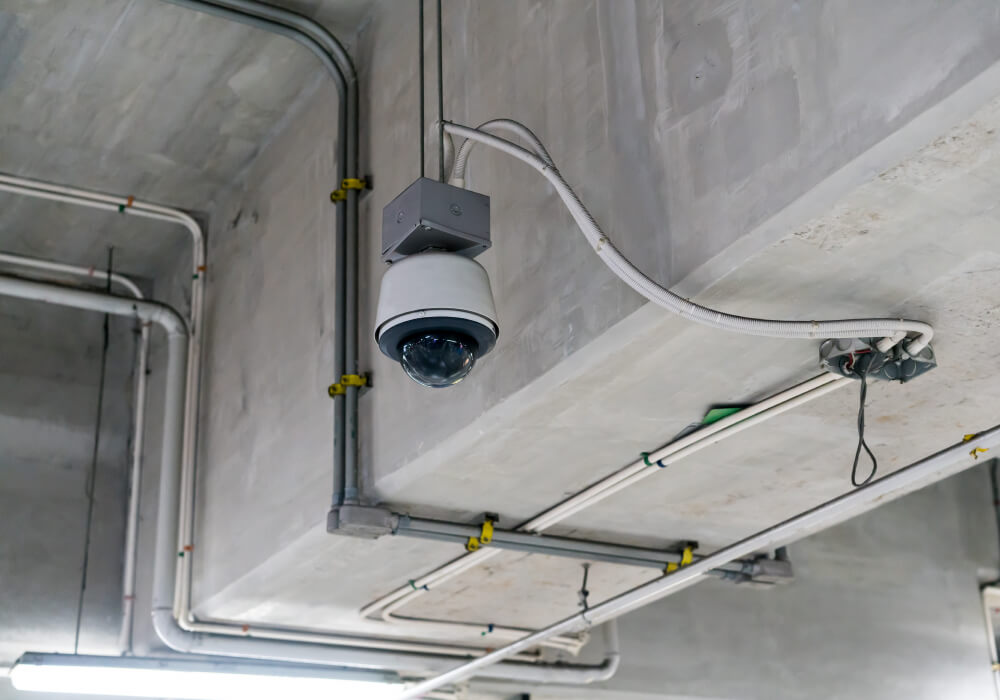
What a warehouse really needs cameras for
That is where a warehouse leans on its cameras. Not to keep an eye on people, but to hold a clear record at the moments that cost you money:
- Product moving through many hands, from receiving to the rack to the truck
- Inventory shrink that eats your margin a little at a time
- Loaded trailers and equipment sitting exposed after hours
- Injury and damage claims that come down to what the video shows
An alarm tells you someone crossed a line after the building closed. Cameras tell you what happened, who did it, and how, during the day when the building is full and most of your loss is actually happening. This is work Security Cameras Dallas does every week for warehouses, distribution centers, storage facilities, houses of worship, and schools across the metro.
Where warehouses actually lose inventory
In most warehouses, three areas matter most:
- The loading dock, during receiving, staging, and loading
- The yard, where loaded trailers sit overnight
- The floor, where inventory shrink happens a little at a time over weeks
Cover those three well and you have handled most of your real risk. A well planned commercial security camera installation in Dallas treats the dock, the floor, and the yard as three separate jobs.
Loading dock cameras, your biggest loss point
- The dock door and approach: Enough detail to read the trailer number and the plate, not just show that a truck was there. When a load comes up short later, that footage ties a truck and driver to a time.
- The staging area inside the door: Where freight sits before it is put away or loaded, and the easiest place for a case to walk off. Give it its own camera, not a corner of the door shot.
- The load, trailer to floor: In the few feet between the trailer and the floor, a hand truck can move an extra case in seconds, so the camera has to cover the full load.
Covering a big floor and high ceilings
Out on the floor, the challenge is size. Ceilings run thirty to forty feet, aisles run long, and people and product are always moving. A camera that does fine in a store gets lost in a space this big.
Two problems come up again and again. First, keeping a person in frame down a long aisle instead of catching one distant glimpse. Second, mounting height. A camera up near the ceiling is safe and covers ground, but from thirty-five feet the angle goes so flat that faces and carton labels turn to mush.
The fix is a mix. Higher, wide cameras carry the broad view. Lower, tighter cameras go where it counts, like aisle ends, pick paths, and each dock mouth. Give packing stations extra attention, since that is where an order gets built and where a short-ship or an under-scan slips past most easily. One warehouse camera can cover what would take three or four in a store, so working out how many cameras a space like this really needs is its own exercise, not a number off the square footage.
Inventory shrink that starts on the inside
This is not about treating your crew like suspects, and it is worth telling them so. Clear footage clears your honest people at least as often as it catches the few who are not.
The inside loss points are about the same in every building:
- Packing stations, where an item can be under-scanned, mislabeled, or set aside
- The trip to the dumpster, where product gets tucked in with the trash to grab later
- Staging near the employee doors, where a box only has to travel a few feet to leave
- The returns area, where the paperwork is loosest and the count is easiest to fudge
Expert Tip
Restricted areas and high-value stock
Not everything in a warehouse carries the same risk. High-value items, controlled or hazmat stock, tools, and the server or records room are worth far more per square foot than the general floor, and they deserve coverage that matches.
A camera on these areas tells you what happened, but not who was cleared to be there. Tying the cameras to commercial access control on those doors closes the gap. When a cage or a records room is opened, you have the badge that opened it and the video of what happened inside, sitting side by side.
The yard, the trailers, and the gate
Cover the outside with the same care as the inside:
- The gate: A camera set to read plates ties every truck to a driver and a time, in and out.
- The fence line and yard: Trouble usually starts in the quiet corners and along the back fence, before anyone reaches the dock.
- Trailers parked overnight: A view of the doors and the seal tells you if a load was opened. Without it, you are guessing after the freight is gone.
- Drop lots and overflow yards: Away from the building, with less light and fewer people, so they need real coverage, not the hope that distance keeps them safe.
- Employee parking and side entrances: Easy to overlook, and an easy way for product to leave in a personal vehicle.
Seeing your warehouse after hours
A warehouse sits still at night, and that is when a camera works hardest. Cameras built for low light hold usable color or clear black and white in near-dark, which matters in the yard, in lights-out aisles between shifts, and in a building running a skeleton crew.
Remote access also lets you check the docks and the yard from a phone when an alarm trips or a driver calls, without driving in. For a yard full of trailers or a building that sits empty overnight, some warehouses go further with live video monitoring, where trained operators watch the cameras in real time and can speak up or call for help the moment someone is where they should not be, instead of you finding it on a recording the next morning.
Cameras that protect you from claims
Ready to cover your warehouse where it actually loses product?
The right camera plan for a warehouse is built around your building, your product, and the way your crew moves it, not dropped in from a template. The team at Security Cameras Dallas will walk your dock, your floor, and your yard, show you where product is most exposed, and design coverage that reads plates at the gate, holds detail down a long aisle, and still sees clearly at two in the morning. You end up with a system that protects your inventory, your people, and your bottom line the day it gets tested.