
The Questions to Ask Before You Hire a Security Camera Company
Security Cameras Dallas Team
That is what you are really hiring when you choose a security camera company. Not just cameras on a wall, but the field experience to walk your property, read its weak points and exposed doors, and find the blind spots before anything goes wrong. Good cameras matter, and a fair price matters, but what decides whether the system actually protects you is whether the people installing it have seen enough buildings to know where trouble hides and how to cover it the first time.
The questions below help you tell that kind of company from one that simply hangs cameras and hopes. They are about coverage, placement, and the experience behind both.
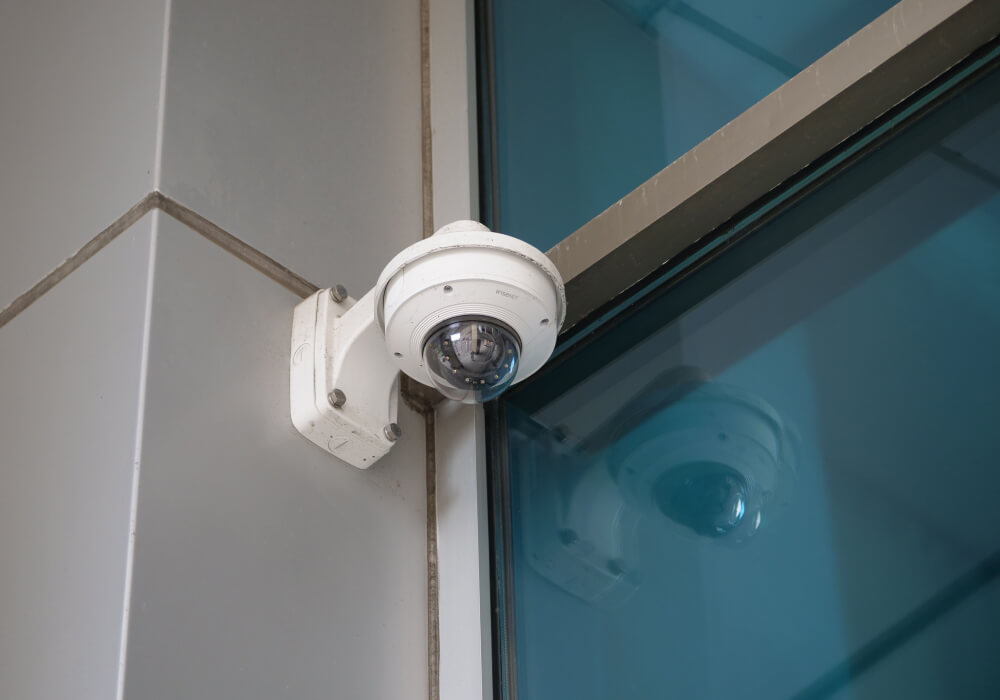
Can they walk your property and see the weak points?
While they walk it, an experienced company is reading the property the whole time. Listen for whether they talk about things like these:
- Exposed entry points: Every door, gate, dock, and window someone could use, including the side and rear ways in that owners stop noticing.
- Blind spots and low-light areas: The corners, alcoves, and dim stretches where a camera is easy to skip and where trouble tends to happen.
- How people and product move: The paths customers, staff, and goods take through the space, so a person stays on camera instead of vanishing between views.
- Sightlines, angles, and mounting height: Where a camera has to sit to catch a face or a plate, not just prove that someone was there.
- Where coverage needs to overlap: The handoffs between one camera and the next, so no one crosses your property through a gap.
Who is actually doing the installation?
An experienced in-house crew has done hundreds of these and works from that muscle memory. They know how to place a camera so a beam or a light fixture does not clip the view, how to route and protect the wiring, and how to leave the site clean. Ask how long their installers have been doing commercial work, because the answer tells you how much of your job is likely to go right on the first visit.
Where does my footage live, and who can reach it?
- Where it is stored: On site, in the cloud, or both, and what happens to your footage if a recorder is damaged or stolen.
- How long it is kept: How many days the system holds before it records over itself, since an incident often surfaces days or weeks later.
- Who can see it: Who has login access, and whether that access can be pulled the day someone leaves.
Expert Tip
Will I actually be able to use the footage?
A camera that records is not the same as a camera that helps. Ask whether the plan is built to read a face at the door and a plate in the lot, not just show that someone was there. Placement, height, and lighting decide that long before the brand of camera does.
This is the difference between footage the police can work with and a blurry shape nobody can identify. A company that knows commercial work will talk about angles, distances, and light without you prompting it, and that same care goes into every commercial camera system we install in Dallas.
A quick way to test them is to ask what it would take to read a license plate at the far end of your lot after dark. If the answer is a real one, about camera choice, position, and lighting, they know the work. If the answer is just a bigger camera, they do not.
Have they set up cameras for a property like yours?
A warehouse, a retail floor, a clinic, and a car lot each need a different camera setup, because each one hides its risk in a different place. Ask whether they have put cameras in a property like yours before, since experience with your building type is what lets an installer see the trouble spots before you point them out.
If you run a warehouse, for example, the camera plan lives or dies on the docks, the aisles, and the yard, which is a very different setup than a storefront or an office. A company that has installed security cameras in warehouses and distribution centers already knows where product tends to go missing and builds the coverage around it.
The same is true for a clinic, a school, or a house of worship, each with its own sensitive areas and its own busy hours. Ask to hear about a job like yours that they have done, and listen for real detail about how they placed the cameras and what they chose to cover, not just a reassurance.
Will you show me the plan before anything goes up?
It also keeps the price tied to real work you can see rather than a vague promise. A company that is confident in its plan will walk you through it gladly, because the plan is exactly where its experience shows. Seeing it before you commit means no surprises for either side once the crew is on site.
What happens after the install?
Ask, too, whether the system can grow later without ripping everything out, and whether you are tied to one company for service. The right answers leave you room to add a camera or two down the road, and they leave you working with people who treat the years after the install as part of the job.
Ready to ask us these questions?
Good questions deserve straight answers. The team at Security Cameras Dallas will walk your property, point out the weak spots and blind spots an experienced eye catches, and put in writing where each camera goes and why, where your footage lives, and what happens if something goes down. You get a plan built on experience and a company that still picks up the phone long after the install is finished.